Skilled Landscaping Expert for a Artfully Designed Outdoor Space
A professional landscaper assumes an essential role in transforming outdoor spaces into visually appealing retreats. Their expertise resides in evaluating site challenges and selecting suitable plant species. By blending colors and textures, they create functional configurations. Additionally, they execute sustainable practices that benefit the environment. The potential impact of these transformations on property value raises important questions about the benefits of investing in professional landscaping. What exact advantages can one expect from such an investment?
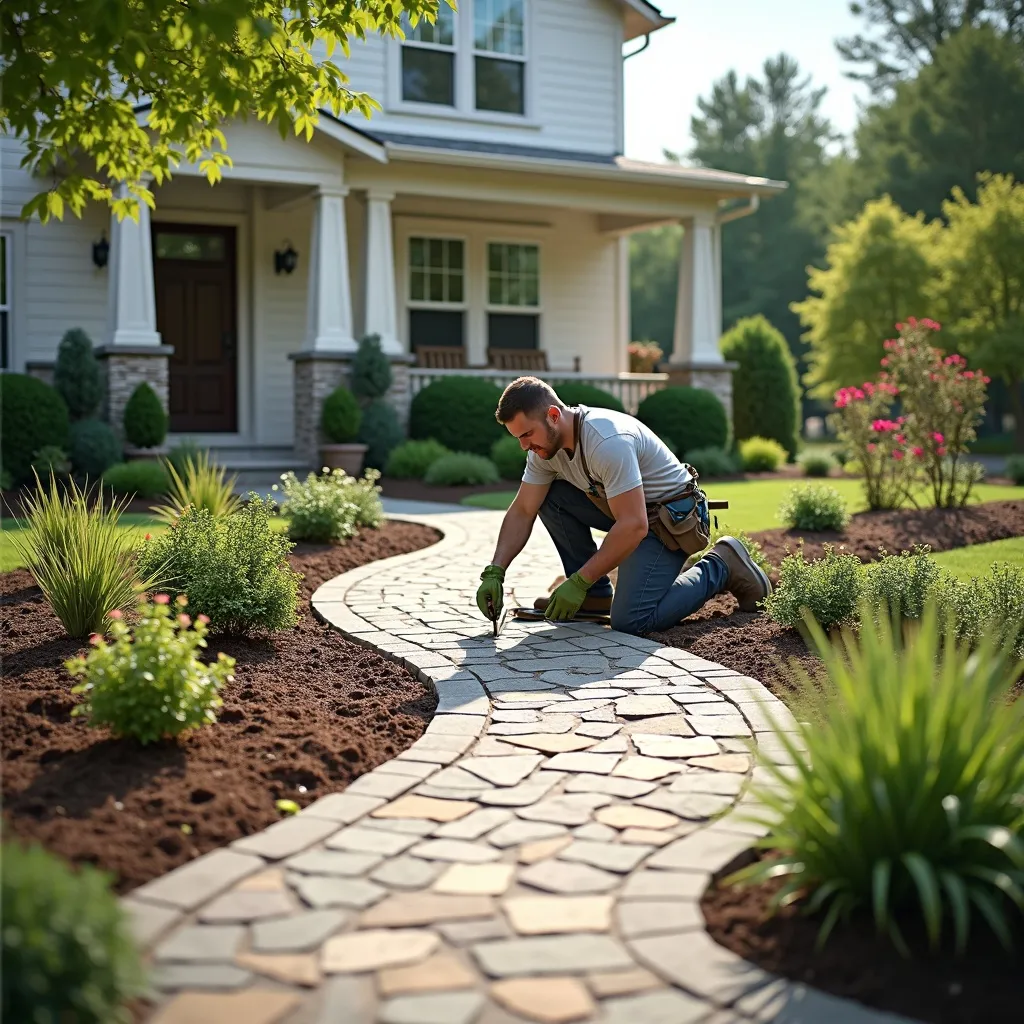
Addressing Frequent Landscaping Obstacles With Professional Services
While many property owners desire to design beautiful exterior areas, they often face multiple garden obstacles that can be daunting to tackle alone. Problems such as inadequate soil conditions, insufficient water management, and the selection of suitable plants can obstruct even the most devoted plant lover. Expert landscape designers possess the expertise to assess these difficulties effectively. They can recommend soil amendments, implement proper drainage solutions, and choose vegetation that flourish in specific conditions.
In addition, landscaping work incorporates aesthetic components that require a sharp appreciation for functionality and beauty. Experts are able to design unified arrangements, guaranteeing that softscapes and hardscapes work well together. By drawing on their background, homeowners can sidestep costly oversights and frequent pitfalls. In this collaborative process, specialists not only enhance the visual appeal of outdoor areas but also secure long-term sustainability. Therefore, hiring professional assistance can shift overwhelming design obstacles into manageable projects, leading to gorgeous impressive results
The Role of Professional Landscaping on Garden Design
Expert landscaping greatly enhances the aesthetic quality of garden designs, transforming standard spaces into visually stunning settings. By utilizing well-planned arrangements and vegetation choices, experts also optimize functionality, guaranteeing that outdoor areas provide both beauty and utility. This dual benefit fosters spaces that are not only attractive but also functional for everyday activities.
Visual Appeal Enhancement
A expertly planned landscape can substantially improve the visual charm of any outdoor environment, turning a ordinary garden into an magical retreat. Skilled landscapers bring the knowledge to coordinate hues, patterns, and forms, ensuring each component enhances one another. By incorporating unique plant species, careful placement of features, and deliberate use of materials, they design eye-catching environments. The presence of focal points, such as sculptures or water features, catches attention and adds character, while pathways and borders improve structure and flow. Moreover, seasonal variety is carefully considered, enabling gardens to evolve throughout the year. In the end, the artistic vision and craftsmanship of professional landscapers lead to spaces that inspire calm and admiration, enriching the overall experience of outdoor living.
Practical Space Improvement
Effective landscaping goes beyond visual aesthetics; it also plays a pivotal role in optimizing functionality within outdoor spaces. Professional landscapers assess the individual characteristics of a site, considering factors such as sunlight, soil type, and existing structures to create designs that enhance usability. They implement features like pathways, seating areas, and raised beds, ensuring that outdoor spaces serve multiple purposes. By integrating elements such as irrigation systems and native plant selections, they promote sustainability while minimizing maintenance efforts. Moreover, a well-planned layout can improve traffic flow, making spaces more navigable and enjoyable. Ultimately, professional landscaping transforms gardens into functional environments that meet the diverse needs of homeowners, blending beauty with practicality for a harmonious outdoor experience.
Finding the Perfect Plants: Expert Tips for Choosing and Location
When picking vegetation for an exterior environment, comprehending the particular circumstances and visual objectives is essential for establishing a harmonious landscape. Aspects such as sunlight, soil type, and regional weather significantly impact plant selection. For example, plants adapted to shade prosper under dense foliage, while sun-dependent plants demand open spaces.
Furthermore, evaluating the aesthetic quality is essential. Color schemes, finishes, and seasonal variations should correspond to the overall design plan. To enhance depth, experts typically suggest layering plants by height and form, making certain taller plants are positioned at the back and shorter ones in the front.
Moreover, integrating indigenous flora can promote biodiversity and curtail maintenance obligations. Lastly, it is suggested to group botanical specimens with similar moisture and nutritional requirements to create a more sustainable garden. By executing these seasoned insights, one can curate a exquisitely balanced outdoor space that conveys personal style and environmental compatibility.
Functional Hardscapes: Walkways and Patios
Pathways and patios represent fundamental components in outdoor design, improving both functionality and visual allure. Various materials and design options allow for adaptation, satisfying individual preferences and landscape needs. Understanding the benefits of hardscapes can markedly enhance the usability and charm of any outdoor space.
Benefits Associated With Pathways
A professionally designed footpath boosts both the charm and functionality of exterior environments. Footpaths serve as key links, guiding people through patios, yards, and gardens while creating a clear movement flow. They maximize accessibility, facilitating smooth traversal and reducing lawn damage. Furthermore, pathways can mark areas, establishing specific zones for leisure or entertaining. Assorted material selections, including stone, brick, or gravel, deliver assorted style options, enabling property owners to coordinate footpaths with their landscape aesthetic. Furthermore, footpaths enhance security by offering firm footing and lessening sliding or mud hazards. All things considered, the use of pathways significantly improves the beauty and practicality of outdoor spaces, making them an invaluable element in landscape design.
Patio Design Options
During the process of planning an outdoor space, patio options hold an essential role in improving both functionality and aesthetic. Various design choices exist, allowing homeowners to develop personalized outdoor retreats. For example, a simple rectangular layout provides a classic look, while circular or curved designs can introduce a softer aesthetic. Multi-level patios can create visual interest, seamlessly merging with the surrounding landscape. Incorporating built-in seating or fire pits boosts usability, making patios great for gatherings or relaxation. Furthermore, integrating greenery, such as planters or trellises, can soften hard edges and add energy. Ultimately, thoughtful patio design can transform any outdoor area into a versatile space that complements the home’s architecture and boosts the overall ambiance.
Materials For Hardscapes
Choosing the right materials for hardscapes is essential for creating attractive and practical outdoor spaces. Pathways and patios gain from a variety of durable options, such as concrete, pavers, and natural stone. Concrete provides versatility and can be customized with various finishes. Pavers, available in diverse shapes and colors, allow for easy installation and repair. Natural stone, while often more expensive, adds an natural aesthetic that enhances the landscape's beauty. Additionally, gravel and decomposed granite serve as excellent alternatives for informal pathways, allowing for effective drainage. Selecting the appropriate material not only guarantees longevity and functionality but also harmonizes with the overall design, contributing to a unified outdoor environment.
Green Yard Techniques for a More Environmentally Friendly Home
Green-minded landscaping strategies yield numerous advantages for homeowners aiming to create a more sustainable environment. By adopting native plants, homeowners can curtail water demand and preclude the need for chemical pesticides and fertilizers, fostering local biodiversity. Rain gardens and permeable pavements are proven solutions for administering stormwater, helping to prevent erosion and promote groundwater recharge.
In addition, adding mulch materials can promote soil health while limiting weed growth. Homeowners might also contemplate xeriscaping, which consists of designing outdoor environments that require get going minimal irrigation, in turn conserving water resources.
Composting waste materials boosts soil fertility and reduces landfill burden. Moreover, selecting low-energy outdoor lighting can cut down on electricity consumption.
How Does Professional Landscaping Contribute Worth to Your Property?
Professional landscape architecture can markedly enhance a property's value, often augmenting it by up to 15%. A well-designed outdoor space not only elevates curb appeal but also creates a welcoming environment for potential buyers. Key elements such as sculpted lawns, strategically placed trees, and striking flower beds add toward an inviting aesthetic that sparks interest.
Additionally, professional landscapers can install beneficial additions like outdoor living areas, garden routes, and water installations, which amplify convenience and gratification. These improvements can achieve premium bids and faster deals in a saturated marketplace.
Moreover, dedicating funds to nature-based landscape approaches can draw in environmentally conscious buyers, further elevating a dwelling's desirability. Effective landscape design integrates seamlessly with the home's architecture while utilizing local flora, which involves lower maintenance and water. Overall, expert landscape services serves as a transformative solution for real estate owners working to maximize their property's potential and investment value.
Common Inquiries Posed Often
What Length of Time Does a Usual Landscaping Project Need to Be Completed?
A typical landscape design can take anywhere from a few days to several weeks, depending on the project's size, complexity, and the particular needs involved. Weather conditions and supply accessibility may also impact the timeline.
What Costs Accompany Hiring a Qualified Landscaper?
Costs related to employing a professional landscape professional can vary widely, generally spanning from $50 to $150 per hour. Ancillary costs may include materials, permits, and design fees, possibly amounting to thousands based on project scope and intricacy.
Do Landscapers Offer Maintenance Services After Installation?
Yes, many landscape experts offer care programs subsequent to installation. These services can consist of periodic lawn upkeep, pruning, and seasonal clean-ups, ensuring the landscape remains lush and aesthetically pleasing over time, tailored to the client's needs.
How Should I Prepare My Yard for a Yard Landscaping Initiative?
To prepare a yard for a landscaping task, one should clear the area, determine soil conditions, identify desired areas, and factor in water management. Additionally, planning the configuration and picking environmentally-matched plants is essential.
What Elements Must I Consider in a Landscaping Deal?
When reviewing a landscaping contract, one must check for detailed project descriptions, project duration, financial terms, warranties, and exit clauses. Explicit clarity on resource and labor definitions is also necessary to establish mutual understanding and expectations.